Darknet Markets 2026:
The dark web is part of the deep web but is built on darknets: overlay networks that sit on the internet but which can't be accessed without special tools or software like Tor. Tor is an anonymizing software tool that stands for The Onion Router — you can use the Tor network via Tor Browser.
| Darknet Market | Established | Total Listings | Link |
|---|---|---|---|
| TorZon Market | 2022 | 140+ | Onion Link |
| Nexus Market | 2024 | 600+ | Onion Link |
| Abacus Market | 2022 | 100+ | Onion Link |
| Ares | 2026 | 100+ | Onion Link |
| Cocorico | 2023 | 110+ | Onion Link |
Updated 2026-10-27
How to Easily Shop on Darknet Markets
Easy access to darknet markets is engineered for private shopping and secure trades, fundamentally altering the landscape of e-commerce for consumers seeking discretion. The process begins with obtaining specialized privacy software, such as the Tor Browser, which anonymizes user traffic by routing it through a distributed network of relays. This provides a foundational layer of obfuscation, separating the user's physical location and identity from their online activity.
Access points, known as market links, are dynamic and frequently change to maintain operational security. Users typically locate these updated URLs through dedicated link aggregator sites or community forums that are themselves hosted on encrypted networks. The entry to a market is often protected by additional measures like CAPTCHA systems and PGP verification to mitigate automated attacks and ensure a secure gateway.
Once inside, the platform's architecture mirrors that of conventional e-commerce sites but with enhanced privacy features. The user experience is built around:
- A catalog system organized by product category and vendor.
- Integrated escrow services that hold cryptocurrency payments until the buyer confirms receipt.
- A feedback and rating system that builds a transparent reputation framework for vendors.
Transactions are finalized using cryptocurrencies like Monero or Bitcoin, which provide a layer of financial privacy. The entire ecosystem is designed to facilitate trade by establishing trust through technology, where cryptographic proof and decentralized systems replace traditional intermediaries, enabling a secure and anonymous commercial environment.
How the Darknet Uses Tor and Crypto for Safe Shopping
Access to darknet markets is facilitated by specialized software, primarily The Onion Router (Tor). This network encrypts and routes user traffic through multiple volunteer-operated servers, effectively concealing the origin and destination of the connection. This layered encryption provides a foundational level of anonymity, allowing users to connect to marketplaces without revealing their physical location or identity to the site operators or network observers.
The financial layer is secured through cryptocurrencies, with Bitcoin (BTC) and Monero (XMR) being the most prevalent. These digital currencies enable transactions without the involvement of traditional banking institutions. While Bitcoin transactions are recorded on a public ledger, tools like wallets with changing addresses enhance privacy. Monero offers stronger inherent privacy by obfuscating transaction details through cryptographic techniques, making it the preferred choice for discreet financial operations. The process is straightforward:
- A user acquires cryptocurrency from an exchange.
- Funds are transferred to a private wallet.
- From there, they are sent to the market's escrow system to finalize a purchase.
This combination of an encrypted network for access and cryptocurrency for payment creates a closed, private economic system. It allows for secure trades where personal financial data is not exposed, and the transaction cannot be easily traced back to the individuals involved. The system's design prioritizes operational security for both buyers and vendors, reducing the risks associated with conventional online transactions that require personal identification and banking details.
From Digital Goods to Medicine: The Darknet's Varied Marketplace
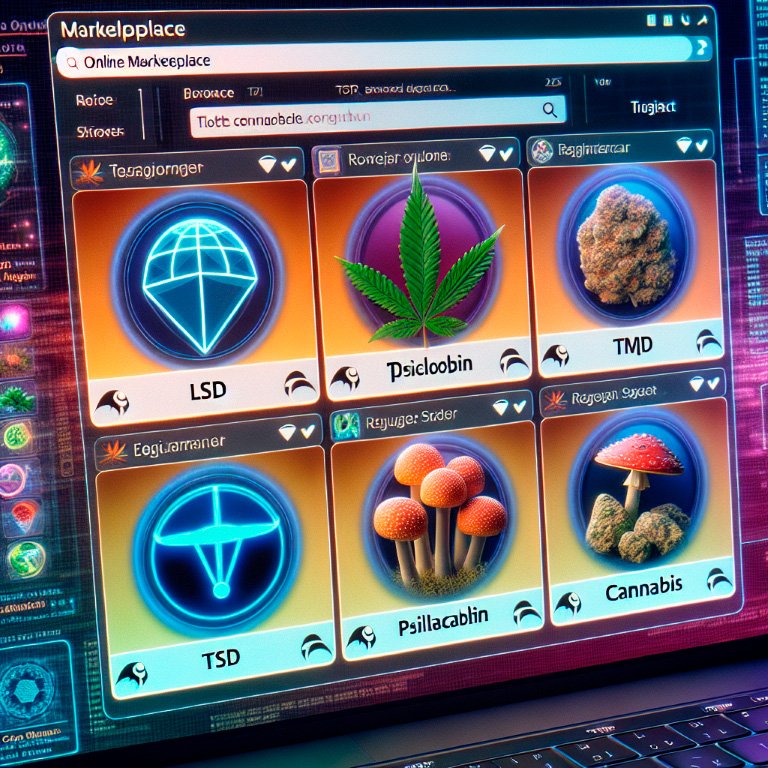
The inventory available on darknet markets is extensive, moving far beyond common misconceptions. While substances for recreational and therapeutic use form a significant segment, the ecosystem supports a diverse digital and physical economy. The platform model facilitates access to pharmaceuticals, digital goods, and various services, all structured around a peer-to-peer review and escrow system that standardizes quality and transaction security.
Digital products represent a major category, with immediate delivery after payment. This includes:
- Software exploits and security tools
- Digital guides and e-books
- Forged documents and templates
- Premium account credentials for various services
The product variety is a direct function of the market's operational principles. Anonymity provided by encrypted networks and cryptocurrency payments allows vendors to offer items that are regulated or have limited availability in conventional retail. Consumer feedback through detailed vendor ratings and transaction histories creates a self-regulating environment where product description accuracy and service quality are paramount for sustained commercial success.
How Ratings and Escrow Make Buying Safer
The foundation of a functional darknet market is a reputation system. Vendor profiles display detailed customer feedback and average ratings, similar to mainstream e-commerce platforms. This transparency allows buyers to assess reliability and product quality before a purchase. A vendor with hundreds of positive reviews and a high rating has a demonstrated history of successful transactions, which incentivizes maintaining good service.
To further mitigate risk, darknet markets employ an escrow service. When an order is placed, the buyer's cryptocurrency payment is held in escrow by the market's automated system. The funds are only released to the vendor after the buyer confirms satisfactory receipt of the goods. This mechanism protects buyers from scams where vendors might not ship products. It also protects honest vendors, as funds are secured upfront, reducing the risk of fraudulent chargebacks common in traditional commerce.
The combined effect of these systems creates a self-regulating environment. Trust is built through verifiable, crowd-sourced data rather than personal identification. For private shopping and secure trades, this structure is essential. It transforms anonymous transactions from high-risk endeavors into calculated exchanges based on collective experience and secured financial protocols.
How Darknet Markets Stay Open by Changing Links
The operational model of darknet markets necessitates the frequent rotation of their web addresses, a practice that enhances platform resilience. This link rotation is a direct security feature, not an operational flaw. It prevents prolonged exposure and mitigates the risk of centralized takedowns, thereby maintaining service continuity for users seeking private shopping and secure trades.
New links are disseminated through dedicated, clearnet forums and cryptocurrency-based social platforms where communities aggregate. Specialized link directories and verified repositories, often accessible via standard browsers, serve as primary hubs for updated information. Users typically employ a multi-source verification strategy:
- Consulting multiple directory sites to cross-reference URL lists.
- Checking PGP-signed announcements from market administrators on trusted forums.
- Using the market's official public key to verify the authenticity of a new link, ensuring it is not a phishing attempt.
The process of finding a valid link is integrated into the user workflow. Successful access is followed by bookmarking the new address within the Tor browser. This cycle of link discovery and verification is a routine aspect of engagement, supporting a decentralized ecosystem where access points are fluid but reliably documented by the community itself. The system's design ensures that while individual URLs are ephemeral, the network of markets remains persistently accessible to informed participants.
Private and Secure Shopping on the Darknet
The user experience on darknet markets is fundamentally engineered for private shopping and secure trades. This design begins with access, which is streamlined through specialized software like the Tor browser. This tool provides the necessary anonymity by routing connection data through multiple encrypted layers, effectively concealing a user's location and identity from network observers. The process is straightforward: download, install, and connect, which lowers the technical barrier for entry while maintaining a high standard of operational security.
Once inside a market, the interface prioritizes discretion. Product listings avoid explicit imagery, using coded language or generic stock photos instead. Communication between buyer and vendor is conducted through encrypted messaging systems provided by the platform, ensuring that details of an order, including delivery addresses, are never transmitted in clear text. This end-to-end encryption is a standard feature, not an optional extra, making every transaction a confidential exchange between two parties.
The security of financial transactions is equally integral. Markets exclusively utilize cryptocurrencies, primarily Bitcoin and Monero, which function on public ledgers but do not inherently link wallet addresses to personal identities. To enhance privacy further, users are encouraged to employ tumbling services or use privacy-centric coins that obscure transaction trails. The cornerstone of transactional trust is the multisignature escrow system. In this setup, funds are held in a secure third-party wallet until the buyer confirms satisfactory receipt of goods. This mechanism significantly reduces the risk of fraud by preventing vendors from accessing payment without fulfilling their part of the agreement, all without requiring a central authority that could compromise user data.
Account management within these platforms also reflects this privacy-first ethos. Minimal personal information is required for registration, often just a username and password. Two-factor authentication (2FA) is strongly recommended to protect accounts from unauthorized access. Furthermore, the entire ecosystem is designed with ephemerality in mind; market links rotate frequently to mitigate denial-of-service attacks and other disruptions, and users are expected to employ public PGP encryption for sensitive data. This creates a resilient environment where privacy and security are not merely features but the foundational principles enabling safe and reliable commerce.
How Software and Protocols Make Darknet Trade Safe and Reliable
Access to darknet markets is facilitated by specialized software, primarily the Tor Browser. This software routes internet traffic through a distributed network of relays, encrypting it multiple times to conceal a user's location and activity. This operational protocol is fundamental, creating a layer of anonymity essential for private shopping.
Transactions are secured using cryptocurrencies like Bitcoin and Monero. Monero offers enhanced privacy features through stealth addresses and ring signatures, making financial flows more difficult to trace than with transparent blockchains. The market's operational protocol mandates cryptocurrency use, integrating it with escrow services. Escrow holds a buyer's funds until the goods are received and confirmed, directly reducing fraud risk and building system trust.
Communication on these platforms relies on PGP encryption. Buyers and vendors use PGP keys to encrypt sensitive information such as shipping details. This end-to-end encryption ensures that only the intended recipient can read the messages, a critical protocol for operational security. Market links, known as .onion addresses, change frequently to mitigate disruption. Users find updated links through community-driven forums and link aggregators, which act as a decentralized directory service.
The combination of these tools and protocols creates a structured environment:
- The Tor Browser provides anonymous network access.
- Cryptocurrency and escrow enable secure, dispute-resilient payments.
- PGP encryption protects all private communications.
- Decentralized forums maintain access despite rotating .onion addresses.
This integrated system is designed for user protection, ensuring that trade activities remain confidential and transactions are completed as agreed. The reliability of this model is evidenced by consistent market activity and successful trade volumes, demonstrating its effectiveness for secure commerce.