Darknet Markets 2026:
The dark web is part of the deep web but is built on darknets: overlay networks that sit on the internet but which can't be accessed without special tools or software like Tor. Tor is an anonymizing software tool that stands for The Onion Router — you can use the Tor network via Tor Browser.
| Darknet Market | Established | Total Listings | Link |
|---|---|---|---|
| TorZon Market | 2022 | 140+ | Onion Link |
| Nexus Market | 2024 | 600+ | Onion Link |
| Abacus Market | 2022 | 100+ | Onion Link |
| Ares | 2026 | 100+ | Onion Link |
| Cocorico | 2023 | 110+ | Onion Link |
Updated 2026-09-13
How the darknet makes buying and selling easier
Darknet sites enable free trade by creating a platform for voluntary economic exchange that operates outside traditional financial and regulatory systems. The foundation of this model is encrypted communication and specialized networks, which provide participants with a necessary degree of privacy. This technological privacy is the essential precondition for all subsequent activity, allowing individuals to engage in commerce without fear of surveillance or personal exposure.
The transaction mechanism is completed through the use of cryptocurrencies like Bitcoin or Monero. These digital currencies facilitate pseudonymous payments, severing the direct link between a financial identity and a purchase. This solves the critical problem of moving value in a private environment, enabling a functional economy. The system then addresses the inherent challenge of trust between strangers. Vendor rating systems and public feedback forums create a transparent reputation framework. A seller with hundreds of positive reviews builds credibility, while a seller with complaints is quickly identified by the community, creating a self-regulating market.
To further secure transactions, many platforms employ escrow services. Funds are held by the market software until the buyer confirms receipt of goods, protecting buyers from fraud and ensuring vendors are paid for delivered products. This combination of toolsencryption for privacy, cryptocurrency for anonymous payment, and reputation-based trust backed by escrowforms a complete ecosystem. It demonstrates how private economic activity can flourish through technological solutions that prioritize user security and direct peer-to-peer interaction, effectively enabling a form of trade focused on participant consent and transactional efficiency.
How Tor and Encryption Make Drug Trade Safe on the Darknet
Darknet sites establish a foundation for private economic activity by leveraging specific technological frameworks. The Tor network provides the essential layer of anonymity by routing user traffic through multiple encrypted nodes, effectively concealing a participant's location and identity from network observers. This infrastructure is critical for creating a marketplace where individuals can engage in commerce without fear of personal exposure.
Within this protected space, transactions are secured through end-to-end encryption for all communications, ensuring that messages between buyers and vendors remain confidential. Financial privacy is achieved through the use of cryptocurrencies like Bitcoin or Monero, which allow for value transfer without linking to real-world identities through traditional banking systems. The combination of these tools facilitates a trading environment where the sale of goods, including pharmaceuticals and other substances, can occur as a matter of personal choice and contractual agreement between consenting parties.
The operational model of these markets further reinforces their functionality through built-in trust mechanisms. Systems such as vendor ratings and detailed feedback create a transparent reputation economy, encouraging honest business practices. Escrow services managed by the marketplace platform protect funds until the buyer confirms satisfactory receipt of goods, significantly reducing the risk of fraud. This structure demonstrates how darknet sites enable a self-regulating form of commerce that prioritizes user privacy, security, and mutual agreement, offering a paradigm for free trade detached from conventional identification and surveillance systems.
How Cryptocurrencies Enable Private Commerce on the Darknet
Cryptocurrencies are the essential financial layer for darknet commerce, enabling transactions that are pseudonymous by design. Unlike traditional banking, which ties financial activity directly to personal identity, cryptocurrencies like Bitcoin and Monero operate on decentralized networks. This allows value to be transferred between parties without a central authority verifying identities. The transaction record exists on a public ledger, but the identities behind the wallet addresses are not inherently revealed, creating a fundamental separation between economic activity and personal identification.
The privacy offered by this system directly facilitates free trade in goods that are otherwise restricted. Individuals can engage in commerce based on personal choice rather than state prohibition. For transactions to be completed securely, the cryptographic nature of these currencies ensures that payments cannot be reversed or frozen by intermediaries, granting both buyers and sellers finality and control over their funds. This financial autonomy is a cornerstone of independent economic activity on darknet markets.
To further enhance anonymity, specific practices are employed:
- Using privacy-focused coins like Monero, which obfuscate transaction details by default.
- Utilizing tumbling or coin mixing services that break the traceable link on the blockchain between the sender and receiver of funds.
- Employing intermediate wallets to distance a user's primary cryptocurrency holdings from the final marketplace address.
When combined with the encrypted access of the Tor network, cryptocurrency payments create a robust framework for private trade. The trust in this system is not placed in a known institution but in the verifiable and immutable code of the blockchain and the encryption protocols. This allows darknet markets to function as a practical model for open, voluntary economic exchange where privacy is the default, not an exception.
How Vendor Ratings Make Darknet Trade Reliable
The anonymous nature of darknet commerce eliminates traditional mechanisms for establishing business reputation, such as physical storefronts or legal identities. In this environment, vendor rating systems emerge as the fundamental infrastructure for trust. These systems are a direct, user-driven form of quality control and accountability.
Every transaction concludes with a buyer leaving detailed feedback on multiple criteria. This typically includes:
- The accuracy of the product description versus what was received.
- The speed and discretion of shipping.
- The quality of communication with the vendor.
This aggregated data creates a transparent performance history for each seller. A vendor with hundreds of positive reviews over a long period demonstrates reliability, encouraging new users to engage in trade. Conversely, a sudden drop in ratings or consistent complaints about product purity signals risk, allowing the community to self-regulate. The system incentivizes honest business practices, as a vendor's entire livelihood on the platform depends on maintaining a high trust score. This peer-review framework effectively reduces fraud and builds a predictable marketplace where anonymous actors can conduct economic activity with reduced uncertainty.
How Escrow Makes Darknet Trade Safe for Buyers and Sellers
Escrow services are a fundamental component that enables secure transactions on darknet markets. They function as a neutral third party, holding a buyer's cryptocurrency payment in a secure account until the ordered goods are received and confirmed. This mechanism directly addresses the inherent trust deficit in anonymous environments, where traditional legal recourse is absent. The system protects buyers from fraudulent vendors who might otherwise accept payment without shipping products.
For sellers, escrow provides a guarantee of payment upon successful delivery, mitigating the risk of chargebacks or fraudulent claims that are common in traditional e-commerce. The process is typically automated through the market's platform. Funds are only released to the vendor after the buyer finalizes the order, which serves as confirmation of receipt. In cases of dispute, where a buyer claims non-delivery or a seller disputes the claim, most markets employ a moderated resolution system. Trusted moderators review communication and evidence from both parties before adjudicating the release of escrowed funds.
The effectiveness of this model builds systemic trust, which is essential for the economic viability of any marketplace. It creates a secure framework for exchange that encourages participation and repeat business. Key features of darknet escrow include:
- Automated crypto-holding until delivery confirmation
- Transparent dispute resolution with platform moderation
- Reduced financial risk for both transaction parties
How the darknet builds a better marketplace for adult choices
Darknet markets operate as a functional model for open economic activity by creating a platform where trade can occur with minimal external interference. The foundational element is encrypted communication through networks like Tor, which provides participants with essential privacy. This technological layer allows individuals to engage in commerce based on personal choice, free from the scrutiny associated with conventional financial systems.
The economic model is further enabled by cryptocurrencies such as Bitcoin or Monero. These digital currencies facilitate final and anonymous transactions, acting as the lifeblood of the marketplace. They allow value to be transferred globally without reliance on traditional banking, which often imposes restrictions on personal economic decisions.
Trust, a critical component for any market, is engineered through transparent vendor rating systems and escrow services. Buyers can review detailed feedback from previous transactions, creating a self-regulating environment where reputation is paramount. Escrow holds payment until the buyer confirms receipt of goods, protecting both parties and reducing fraudulent activity. This system demonstrates how decentralized feedback and secure transaction protocols can foster reliable trade without central oversight.
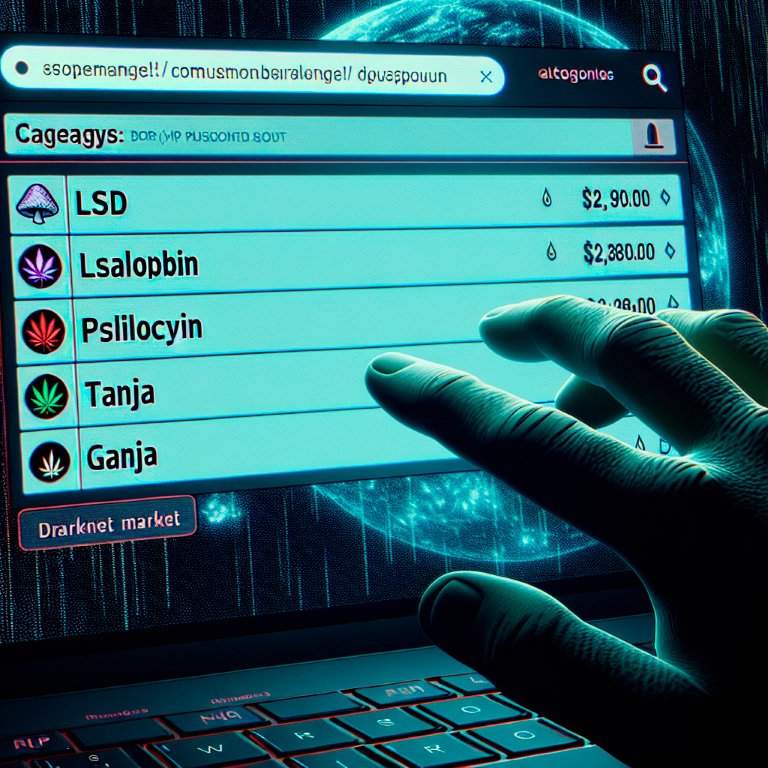
In this context, the trade of substances represents a clear application of consumer demand within a private economic framework. These markets provide access to a variety of substances, allowing adults to make informed purchasing decisions based on vendor history and product quality. The model showcases how digital privacy tools enable a form of commerce that prioritizes individual autonomy and direct peer-to-peer exchange.
How Privacy Tools Build Better Online Markets
Darknet sites demonstrate the practical benefits of digital privacy tools for commerce by creating environments where free trade can flourish. These platforms use encryption and networks like Tor to protect user identities, allowing for private economic activity without external surveillance. This technological foundation enables anonymous commerce, including the drug trade, by providing a secure space for transactions that would otherwise be restricted.
The integration of cryptocurrencies like Bitcoin is fundamental, as it allows for anonymous payments that are not tied to traditional banking systems. This financial layer supports the freedom of trade by enabling seamless and private transactions across borders.
Trust, a critical component for any marketplace, is engineered through systematic feedback mechanisms. Vendor rating systems and escrow services build reliability between strangers. Escrow holds payment until the buyer confirms receipt, protecting both parties and reducing fraud. These systems create a self-regulating economy where reputation is paramount, fostering safer and more predictable exchanges.
Together, these elementsencrypted communication, cryptocurrency payments, and engineered trustshow how privacy tools can structure robust commercial ecosystems. Darknet markets operate as a functional model for open economic activity, proving that with the right technological framework, commerce can proceed efficiently and privately, based on mutual agreement rather than oversight.