Darknet Markets 2026:
The dark web is part of the deep web but is built on darknets: overlay networks that sit on the internet but which can't be accessed without special tools or software like Tor. Tor is an anonymizing software tool that stands for The Onion Router — you can use the Tor network via Tor Browser.
| Darknet Market | Established | Total Listings | Link |
|---|---|---|---|
| TorZon Market | 2022 | 140+ | Onion Link |
| Nexus Market | 2024 | 600+ | Onion Link |
| Abacus Market | 2022 | 100+ | Onion Link |
| Ares | 2026 | 100+ | Onion Link |
| Cocorico | 2023 | 110+ | Onion Link |
Updated 2026-10-27
How the Darknet Makes Buying Drugs Safer and Easier
The modern darknet marketplace operates as a specialized e-commerce platform accessible only through networks like Tor or I2P. These networks anonymize a user's connection, masking their IP address and physical location. For everyday users, this provides a foundational layer of privacy that is not available on the conventional internet. The primary function is to facilitate transactions for goods and services where anonymity is a priority for both the buyer and the seller.
Accessing a market requires specific software, after which users encounter an interface familiar to anyone who has used sites like eBay or Amazon. The core mechanism is a feedback and reputation system. Vendors build their profiles over time through consistent performance, measured by:
- Accurate product descriptions and quality
- Reliable and discreet shipping
- Responsive customer service
This system allows buyers to make informed decisions based on the documented experiences of previous customers, creating a self-regulating environment where trust is earned, not assumed. The transaction process is secured by the combined use of cryptocurrency and escrow services. When an order is placed, funds are held in escrow by the marketplace until the buyer confirms receipt and satisfaction. This protects the buyer from fraud. Only then are the funds released to the seller, which protects the vendor from theft. The entire communication, from order details to shipping addresses, is conducted using end-to-end encryption, often via PGP keys, ensuring that only the intended recipient can read the message.
For the trade in psychoactive substances, these platforms offer distinct advantages over traditional street procurement. The variety is vast, with detailed listings that include chemical composition, source information, and expected effects. This allows for risk-aware consumption based on verifiable data rather than uncertain street product purity. The environment is transactional and neutral, removing the potential for violence or coercion that can accompany physical drug purchases. The model demonstrates how decentralized technology and cryptographic tools can create a stable, user-driven marketplace for goods that exist in a legal gray area or are prohibited by state laws.
How Crypto Makes Buying on the Darknet Safe and Easy
Cryptocurrency is the fundamental engine of the modern darknet marketplace, enabling anonymous shopping and a secure drug trade by design. Its decentralized nature removes banks and payment processors from transactions, creating a layer of financial privacy that cash cannot achieve in digital spaces. This system relies on public ledgers, but the identities behind wallet addresses are not inherently recorded, allowing users to engage in commerce without directly linking their real-world identity to their purchases.
The process is straightforward. A user acquires cryptocurrency, typically Bitcoin or Monero, through an exchange. They then transfer these funds to a private wallet under their control. For enhanced privacy, techniques like coin mixing or using privacy-centric coins obscure the transaction trail. When a purchase is made, the buyer sends the exact amount from their private wallet to the marketplace's escrow address. This method ensures that no sensitive bank details or personal information are exchanged between the buyer and seller, reducing the risk of financial fraud and exposure.
The cryptographic principles behind these currencies provide security and finality. A transaction, once confirmed on the blockchain, cannot be reversed or forged, protecting sellers from fraudulent chargebacks. This creates a stable and predictable economic environment. The key advantages of this model include:
- Pseudonymity: Wallet addresses act as pseudonyms, separating transactional activity from personal identity.
- Global Accessibility: Cryptocurrency enables seamless cross-border transactions without currency conversion or international banking fees.
- Efficiency: Settlements are faster than traditional bank transfers, especially for international orders, speeding up the entire trade process.
This financial infrastructure directly supports market stability. By mandating cryptocurrency, darknet markets operate on a universal, censorship-resistant monetary standard. It empowers individuals to conduct private transactions based on mutual agreement and cryptographic proof, rather than the oversight of a central financial authority. The technology effectively automates trust in the payment layer, which is a prerequisite for the broader ecosystem of anonymous e-commerce to function.
How Escrow Makes Darnet Drug Deals Safe and Fair
The escrow service is a fundamental component of trust on a darknet marketplace. It functions as a neutral third party that holds the buyer's cryptocurrency payment after an order is placed. The funds are released to the seller only after the buyer confirms satisfactory receipt of the goods. This mechanism directly addresses the inherent risk of anonymous commerce, where traditional legal recourse is absent.
For the buyer, escrow provides a powerful form of protection. It prevents a scenario where a seller receives payment but fails to ship the product. The buyer can inspect the shipment and, if it does not match the listing description or is of poor quality, can initiate a dispute. During a dispute, the escrow agent, often the marketplace administration or a designated moderator, reviews communication and evidence from both parties before adjudicating the release or refund of the funds.
From the seller's perspective, a reputable escrow system also offers security. It signals to potential buyers that the marketplace is structured for fair trade, which increases legitimate sales volume. The system guarantees that payment is already secured and waiting, eliminating the risk of fraudulent chargebacks that are common in other forms of remote commerce. This creates a more stable and predictable business environment.
The practical operation involves a few clear steps:
- A buyer selects a product and sends the payment to the marketplace's escrow wallet address.
- The seller is notified that funds are secured and then ships the order.
- The buyer receives the order and marks it as finalized, triggering the automatic release of funds to the seller.
- If an issue arises, the buyer opens a dispute before finalizing, pausing the automatic release until resolution.
This automated yet moderated process reduces anxiety for both parties and establishes a self-regulating economic framework. The efficiency and reliability of a marketplace's escrow service are often the primary metrics by which users judge its legitimacy and safety, making it a critical feature for sustainable anonymous shopping and trade.

How Clear Listings and Honest Feedback Work on the Darknet
The process of product discovery on a darknet marketplace is structured to provide clarity and reduce uncertainty for the buyer. Vendors compete on the basis of transparency and reputation, which are built through detailed listings and verifiable customer feedback. A typical product page functions as a comprehensive source of information.
Listings include precise descriptions of the substance, including its chemical name, expected purity, physical appearance, and exact weight. Photographic evidence, often with unique identifiers to prove possession, is standard. This level of detail allows for informed comparisons between vendors.
The feedback and review system is the core mechanism for establishing trust. After a transaction is finalized, buyers leave ratings and detailed comments on their experience.
This public record covers:
- The accuracy of the product description versus what was received.
- The speed and discretion of shipping.
- The quality of communication with the vendor.
This creates a self-regulating environment where vendors with consistent positive reviews gain prominence, while those with poor feedback or scams are quickly identified and avoided. The aggregate of this community data enables a buyer to make a choice based on collective experience rather than speculation.
How User Reviews Make Buying on the Darknet Safer
The feedback system is the cornerstone of a functional darknet marketplace. It operates as a decentralized mechanism of accountability, replacing the regulatory frameworks of conventional e-commerce. Every transaction concludes with the buyer leaving a review and a rating, typically on a scale of one to five stars. This creates a permanent, public record of a vendor's performance.
Reviews contain critical, actionable data. Buyers detail the product quality, its accurate weight, the stealth of the packaging, and the shipping speed. A vendor with hundreds of consistent five-star reviews and detailed positive comments establishes a reputation for reliability. This historical data allows new users to make purchases with significantly reduced risk. The system directly incentivizes honest business practices, as vendors depend on their cumulative rating for future sales.
Community feedback extends beyond simple ratings. Forum discussions and dedicated review channels provide nuanced context. Users report on a vendor's communication style, their handling of disputes, and any changes in product batches. This collective intelligence helps identify and avoid exit scams or vendors selling misrepresented products. By aggregating the experiences of many individuals, each user can make an informed choice, transforming individual transactions into a community-vetted ecosystem.

How Encryption Protects Your Privacy on the Darknet
Encryption functions as the fundamental privacy mechanism for darknet marketplace transactions. It operates at multiple levels to create a secure environment for anonymous shopping. The process begins with Tor (The Onion Router), which encrypts user traffic in layers and routes it through a volunteer network of servers, obscuring the original IP address and making online actions difficult to trace.
Direct communication between buyers and sellers is protected by end-to-end encryption, typically using PGP (Pretty Good Privacy) keys. This ensures that messages, containing addresses or order details, are only readable by the intended recipient. Even if intercepted, the content remains a scrambled ciphertext.
Marketplaces themselves employ transport layer security (TLS) for connections to their .onion sites, similar to the HTTPS standard on the clear web. This encrypts data in transit between the user's Tor browser and the market server, protecting login credentials and session data from interception.
- Transaction details are hashed and stored on encrypted servers, separating financial data from personal identifiers.
- Wallet addresses are often generated per transaction, adding a layer of financial obfuscation.
- The combined use of these encryption methods effectively compartmentalizes data, ensuring that no single point of failure compromises user anonymity.
This layered cryptographic approach transforms the darknet marketplace into a platform where privacy is architecturally enforced, allowing for secure and discreet commercial exchange without relying on institutional trust.
How Decentralized Tech Keeps Darknet Markets Running Smoothly
The decentralized architecture of modern darknet marketplaces is a fundamental pillar of their operational stability, directly contrasting with the vulnerabilities of centralized e-commerce platforms. Unlike a single server or company, these markets operate on a distributed network. This structure means there is no central point of failure for law enforcement or hackers to target, creating a more resilient environment for commerce.
This resilience translates into consistent service for anonymous shopping. When one node or server is taken offline, the network automatically routes traffic through others, preventing the entire marketplace from disappearing. This reduces the risk of exit scams where a central administrator absconds with user funds, as the escrow and financial systems are also distributed and often managed by smart contracts or multi-signature protocols.
The stability fostered by decentralization encourages a mature ecosystem. Vendors build long-term reputations through consistent feedback, and buyers engage in repeat transactions with confidence. This environment supports a wide variety of available products, as the market's persistence allows for complex supply chains and specialized vendors to establish themselves securely, knowing the platform's infrastructure is not reliant on a single entity's control.
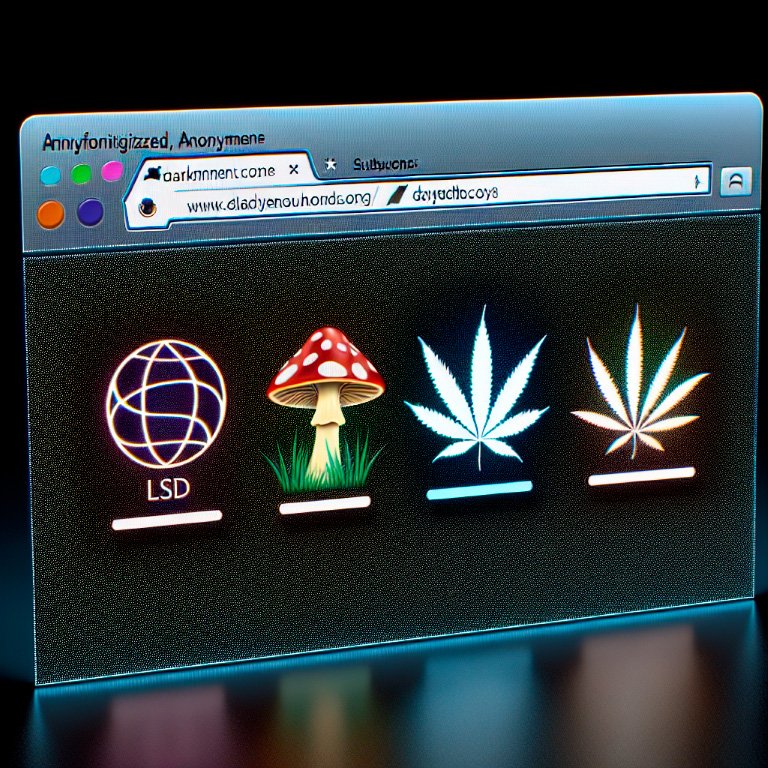
The Wide Selection of Drugs and More on the Darknet
The modern darknet marketplace functions as a specialized e-commerce platform, with its product diversity being a primary driver of user engagement. The range extends far beyond the commonly associated categories, creating an ecosystem that mirrors, in structure, legitimate online retail. The secure drug trade remains a core segment, offering a spectrum of substances from cannabis and psychedelics to prescription medications, often with detailed listings regarding purity, origin, and dosage. This model provides a standardized and information-rich alternative to conventional street purchases.
Adjacent to this, a significant portion of the economy is dedicated to digital goods and services. This includes:
- Fraud-related items like credit card data or compromised accounts
- Software exploits and hacking tools
- Forged documents and counterfeit currency
- Subscription credentials for streaming or software services
The marketplace also caters to demands for physical goods that prioritize privacy and anonymity. These can range from legal but sensitive items like books, electronics, or pre-paid cards to more contentious offerings. The platform's architecture supports this variety through:
Vendor storefronts with reputation systems
Escrow services to mediate transactions
Encrypted communication channels for order specifics
This breadth of inventory demonstrates the platform's role as a multifunctional hub. It meets specific consumer demands that are suppressed or unavailable on the clear web, with the drug market acting as both a historical foundation and a continuous, dominant sector. The variety is not random but a direct reflection of market forces operating within a framework designed for anonymous shopping and transactional security.
How Privacy and Security Make the Darknet Work
The modern darknet marketplace operates on principles of anonymity and cryptographic security, which are not optional features but foundational requirements. These platforms use technologies like Tor and end-to-end encryption to separate a user's identity from their transactional activity. This architectural separation is critical, as it creates a environment where commerce can proceed based on product quality and vendor reputation, rather than on geographic or legal constraints.
For the user seeking private shopping or a secure drug trade, this translates into direct practical benefits:
- Personal data is protected from surveillance and third-party collection.
- Financial transactions via cryptocurrency leave no traditional banking trail.
- Communication between buyer and seller is encrypted, securing details of the exchange.
The result is a self-regulating ecosystem. Trust is established through transparent feedback systems and escrow services, not through the disclosure of personal information. This focus on operational security allows for a consistent and stable market experience, where the integrity of the process is maintained by the technology itself, ensuring that privacy is preserved at every step from browsing to final delivery.